
Dentist who speaks Spanish
Dental Services
Professional Contributor
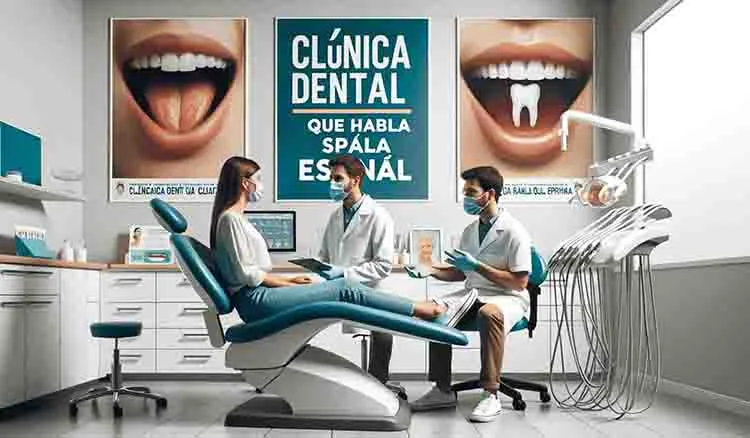
The Importance of Bilingual Dentists
1. Access to Quality Dental Care: By having a dentist who speaks Spanish, Spanish-speaking individuals can access quality dental care without language barriers. This ensures effective communication and a better understanding of dental procedures.
2. Cultural Competency: Bilingual dentists who understand the Spanish culture can provide more personalized care tailored to the specific needs and preferences of Spanish-speaking patients. They can also address cultural concerns or sensitivities that might arise during dental treatment.
Tips for Finding a Dentist who Speaks Spanish
1. Online Search: Start by searching online directories or websites that specialize in connecting patients with bilingual dentists. Look for dentists who specifically mention their ability to communicate in Spanish.
2. Ask for Recommendations: Seek recommendations from Spanish-speaking friends, family members, or colleagues who have had positive experiences with bilingual dentists. They can provide valuable insights into the dentist's communication skills and quality of care.
3. Call Dental Offices: Contact dental offices in your area and inquire about the availability of bilingual dentists. Ask if they have staff members who can communicate effectively in Spanish or if they work with interpreters.
4. Language Services: Inquire about language services offered by dental offices, such as interpretation services or translated educational materials. These services can enhance communication and ensure a better dental experience.
5. Professional Organizations: Explore professional organizations or societies that cater to bilingual dentists, such as the Hispanic Dental Association. These organizations can provide a list of dentists who speak Spanish in your area.
The Benefits of a Dentist who Speaks Spanish
1. Effective Communication: Clear and effective communication between the dentist and patient is crucial in understanding the diagnosis, treatment options, and post-treatment care. A dentist who speaks Spanish can explain complex dental concepts in a language that the patient understands.
2. Building Trust: Effective communication builds trust between the dentist and patient. Patients feel more comfortable expressing their concerns and asking questions when they can communicate in their native language. This fosters a strong patient-dentist relationship.
3. Increased Patient Satisfaction: When patients can fully understand the dental procedures and treatment plans, they feel more satisfied with their overall dental experience. This can lead to better oral health outcomes and improved patient compliance with treatment recommendations.
4. Bridging the Language Gap: A bilingual dentist can bridge the language gap and ensure that Spanish-speaking patients receive the same level of care as English-speaking patients. This promotes equality and access to quality dental care for all individuals.
Conclusion
Having a dentist who speaks Spanish can greatly improve the dental experience for Spanish-speaking individuals. Bilingual dentists provide access to quality care, cultural competency, effective communication, and increased patient satisfaction. By following the tips mentioned in this article, individuals can find a dentist who can effectively communicate in Spanish and provide personalized dental care.