
How to Get UnitedHealthcare Dental Implant Coverage
Dental Services
Professional Contributor
What Are Dental Implants?
Dental implants are artificial tooth roots that are surgically placed into the jawbone. They provide a stable foundation for replacement teeth that look, feel, and function like natural teeth. Dental implants can be a great solution for individuals who have lost one or more teeth due to decay, injury, or other oral health issues.
Why Insurance Coverage for Dental Implants is Important
Dental implants can be a significant investment, with costs ranging from $3,000 to $4,500 per tooth on average. Having insurance coverage for dental implants can make the procedure more affordable and accessible for individuals who need it. Insurance coverage can help reduce out-of-pocket expenses and provide peace of mind.
Does UnitedHealthcare Offer Dental Implant Coverage?
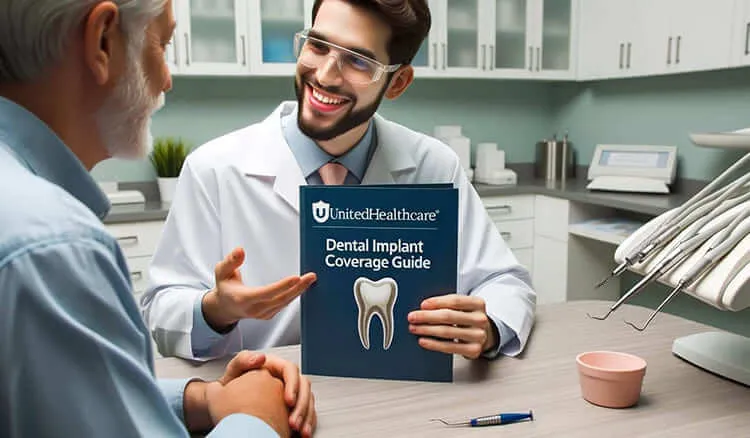
Yes, UnitedHealthcare offers dental implant coverage as part of their dental plans. However, it is important to note that coverage may vary depending on the specific plan and policy. It is recommended to carefully review the details of the insurance plan to understand the extent and limitations of the coverage for dental implants.
Steps to Get UnitedHealthcare Dental Implant Coverage
1. Check your existing UnitedHealthcare dental plan: If you already have a UnitedHealthcare dental plan, review the plan details to see if dental implant coverage is included. Check the coverage limits, waiting periods, and any additional requirements or restrictions.
2. Contact UnitedHealthcare: If you are unsure about your insurance coverage or if you are considering getting a UnitedHealthcare dental plan, contact their customer service or visit their website for more information. They will be able to provide you with specific details about dental implant coverage and help guide you through the process.
3. Schedule a consultation with a dental implant specialist: Once you have confirmed your insurance coverage, schedule a consultation with a dental implant specialist. They will assess your oral health and determine if you are a suitable candidate for dental implants. They can also provide you with a treatment plan and cost estimate.
4. Pre-authorization: Before proceeding with the dental implant procedure, it is important to obtain pre-authorization from UnitedHealthcare. This involves submitting necessary documentation, such as the treatment plan and cost estimate, to the insurance provider for approval.
5. Schedule the dental implant procedure: Once you have received pre-authorization, you can schedule the dental implant procedure with the dental implant specialist. They will perform the necessary surgical procedure to place the dental implants into your jawbone.
6. Follow post-operative care instructions: After the dental implant procedure, it is crucial to follow the post-operative care instructions provided by the dental implant specialist. This will help ensure proper healing and successful integration of the dental implants.
7. Submit insurance claims: After the dental implant procedure and any subsequent treatments or follow-up appointments, submit insurance claims to UnitedHealthcare for reimbursement. Make sure to keep copies of all relevant documentation and receipts.
Other Considerations
- Deductibles and copayments: It is important to understand the deductible and copayment requirements of your UnitedHealthcare dental plan. These are the amounts you are responsible for paying out-of-pocket before insurance coverage kicks in.
- Coverage limits and waiting periods: Some UnitedHealthcare dental plans may have coverage limits and waiting periods for dental implant coverage. Review these details to understand any restrictions or timeframes you need to consider.
- In-network vs. out-of-network providers: UnitedHealthcare dental plans may have different coverage levels for in-network and out-of-network providers. It is recommended to choose an in-network dental implant specialist to maximize insurance coverage and minimize out-of-pocket expenses.
- Plan renewal and changes: Keep in mind that dental insurance plans may have annual renewal dates and potential changes in coverage. Stay informed about any updates or changes to your UnitedHealthcare dental plan to ensure continued coverage for dental implants.
- Utilize free legal aid resources: If you encounter any difficulties or disputes regarding your insurance coverage for dental implants, consider seeking assistance from free legal aid resources. They can provide guidance and support in navigating insurance claims or resolving any issues that may arise.
In Conclusion
Having dental implant coverage through UnitedHealthcare can make the procedure more accessible and affordable. By following the steps outlined, individuals can navigate the process of obtaining dental implant coverage and receive the benefits of this innovative dental solution.