
How to Get Dental Implants Covered by Medicare
Dental Services
Professional Contributor
What are dental implants?
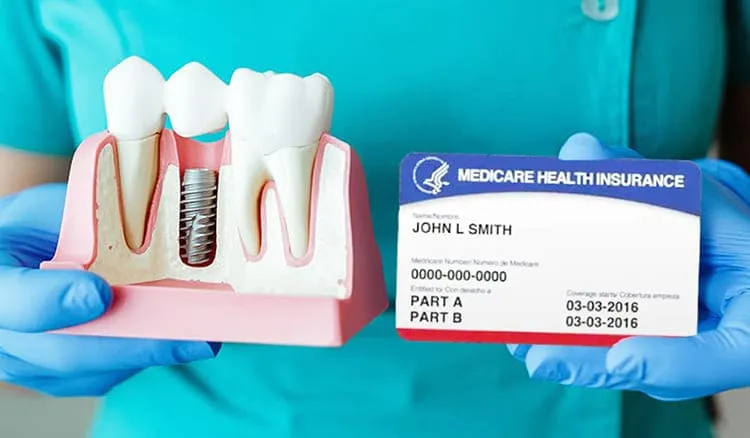
Dental implants are a popular and effective way to replace missing teeth. They are metal posts or frames that are surgically positioned into the jawbone beneath your gums. Once in place, they allow your dentist to mount replacement teeth onto them.
Why are dental implants not covered by Medicare?
Medicare is a federal health insurance program primarily for people aged 65 and older. It does not typically cover routine dental care, including dental implants. The main reason for this is that dental implants are considered a cosmetic procedure rather than a medical necessity.
Are there any exceptions?
- If a dental implant is necessary for the reconstruction of the jaw following an accident or injury.
- If a dental implant is required as part of treatment for oral cancer.
- If a dental implant is needed for functional reasons, such as difficulty chewing or speaking.
While Medicare does not cover dental implants in most cases, there are potential exceptions for certain medical conditions. For example:
How can you get dental implants covered by Medicare?
- Consult with your dentist: Discuss your situation with your dentist and ask for their professional opinion on whether your case qualifies for Medicare coverage.
- Gather supporting documentation: If your dentist believes your case meets Medicare's criteria for coverage, ask them to provide any necessary documentation, such as X-rays, medical records, or a letter of medical necessity.
- Submit a claim: You or your dentist can submit a claim to Medicare on your behalf. Include all the supporting documentation and any relevant information about the procedure.
- Follow up with Medicare: After submitting your claim, follow up with Medicare to check the status and ensure that it is being properly reviewed.
If you believe your need for dental implants falls under one of the exceptions mentioned above, there are steps you can take to try to get coverage:
What if Medicare denies your claim?
- Appeal the decision: You can appeal the denial by submitting additional information or supporting documentation. You may also consider seeking assistance from a Medicare advocate or legal professional who specializes in Medicare appeals.
- Explore other options: If Medicare continues to deny coverage, you may want to explore other avenues for financial assistance. This could include looking into dental insurance plans that cover implants, researching nonprofit organizations that provide assistance with dental care costs, or exploring dental schools that offer reduced-cost services.
If Medicare denies your claim for dental implant coverage, you have options:
Conclusion
While Medicare typically does not cover dental implants, there are exceptions for certain medical conditions. If you believe your case qualifies, it is important to consult with your dentist, gather supporting documentation, and submit a claim to Medicare. If your claim is denied, you have options to appeal the decision or explore other avenues for financial assistance.