
Dentist Near Me
March 23, 2025
How to Deal with Tooth Pain
Dental Services
Professional Contributor
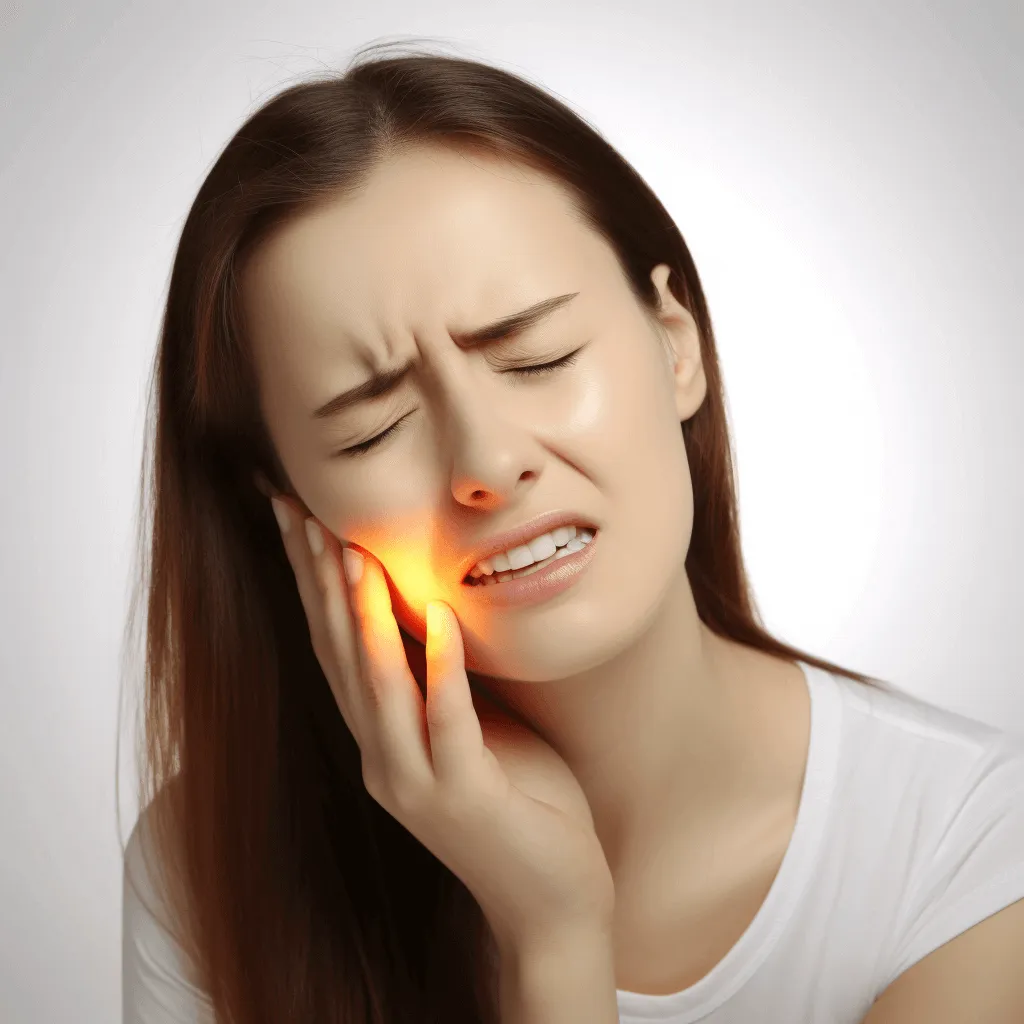
Identify the Cause
- Pay attention to the location and severity of the tooth pain to help identify the possible cause.
- Common causes of tooth pain include dental decay, gum disease, tooth sensitivity, and dental trauma.
- If the pain is severe and accompanied by other symptoms like swelling or fever, it is important to seek immediate dental care as it may indicate an infection or other serious condition.
Practice Good Oral Hygiene
- Brush your teeth at least twice a day with a fluoride toothpaste to remove plaque and bacteria that can contribute to tooth pain.
- Use a soft-bristled toothbrush and gentle, circular motions to avoid further irritation of sensitive teeth or gums.
- Floss daily to clean between the teeth and along the gumline, removing food particles and bacteria that can cause tooth pain.
- Rinse your mouth with an antibacterial mouthwash to help reduce the risk of infection and freshen your breath.
Apply Cold Compresses
- If you are experiencing tooth pain, applying a cold compress to the affected area can help numb the nerves and reduce inflammation.
- Wrap a few ice cubes in a thin towel or use a cold pack and hold it against your cheek or jaw near the painful tooth.
- Apply the cold compress for 15 minutes at a time, several times a day, until the pain subsides.
Use Over-the-Counter Pain Relievers
- Over-the-counter pain relievers, such as ibuprofen or acetaminophen, can provide temporary relief from tooth pain.
- Follow the dosage instructions on the packaging and consult with a healthcare professional if you have any pre-existing medical conditions or are taking other medications.
- Be aware that pain relievers only provide temporary relief and do not address the underlying cause of the tooth pain.
Avoid Trigger Foods and Beverages
- Some foods and beverages can worsen tooth pain, especially if you have tooth sensitivity or dental decay.
- Avoid consuming hot, cold, or acidic foods and beverages, as they can trigger or exacerbate tooth pain.
- Opt for softer foods that are easier to chew and do not require biting down with excessive force.
- Limit your intake of sugary foods and drinks, as they can contribute to tooth decay and increase the risk of tooth pain.
Apply a Topical Analgesic
- Over-the-counter topical analgesics, such as oral gels or ointments containing benzocaine, can help temporarily numb the painful area.
- Follow the instructions on the packaging and apply the analgesic directly to the affected tooth or gums for immediate relief.
- Be cautious not to use excessive amounts or swallow the analgesic, as it may cause unwanted side effects.
Visit a Dentist
- If the tooth pain persists or worsens despite home remedies, it is advisable to schedule an appointment with a dentist.
- A dental professional can evaluate the underlying cause of the tooth pain and recommend appropriate treatment.
- In some cases, dental procedures such as fillings, root canals, or extractions may be necessary to alleviate tooth pain and restore oral health.
- Regular dental check-ups and professional cleanings can help prevent tooth pain by identifying and addressing dental issues before they become more severe.
Conclusion
- Tooth pain can be a source of significant discomfort and interfere with daily activities.
- By identifying the cause of the tooth pain and implementing appropriate measures, such as practicing good oral hygiene, applying cold compresses, using over-the-counter pain relievers, avoiding trigger foods and beverages, applying topical analgesics, and visiting a dentist, individuals can effectively manage tooth pain and find relief.
- It is important to seek professional dental care if the tooth pain persists or worsens, as it may indicate a more serious oral health problem.