
Free Dentures for Seniors: Everything You Need to Know
Dental Services
Professional Contributor
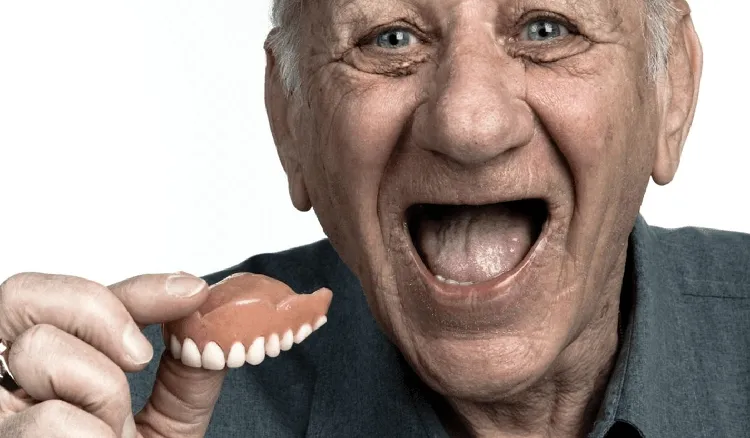
What are dentures?
Dentures are removable oral appliances that are used to replace missing teeth and surrounding tissues. They are made to closely resemble natural teeth and enhance the appearance and functionality of the mouth.
Why are dentures important for seniors?
As people age, they may experience tooth loss due to various reasons including decay, gum disease, or accidents. Missing teeth can negatively impact speech, chewing abilities, and self-confidence. Dentures offer a practical solution for seniors to restore their smile and regain their quality of life.
How much do dentures cost?
The cost of dentures can vary depending on factors such as the type of denture, materials used, and the complexity of the case. On average, a complete set of dentures can cost anywhere between $1,000 and $5,000. This can be a significant financial burden for seniors living on a fixed income.
Are there free denture options for seniors?
- Government Assistance Programs: In some countries, government healthcare programs provide coverage for dental services, including dentures, for seniors who meet certain income and eligibility criteria.
- Non-Profit Organizations: There are non-profit organizations and charities that offer free or low-cost dental care, including dentures, for seniors in need. These organizations often rely on donations and volunteers to provide their services.
- Dental Schools: Dental schools often have clinics where dental students provide supervised treatment at reduced or no cost. Some dental schools offer denture clinics where seniors can receive free or discounted dentures.
Yes, there are free denture options available for eligible seniors. These options may vary depending on location and resources, but here are a few common sources of free dentures:
How can seniors qualify for free dentures?
- Income Level: Some programs have income restrictions to ensure that assistance is provided to those who are truly in need.
- Age: Most free denture programs are specifically targeted towards seniors.
- Residency: Some programs may require applicants to be residents of a certain area or state.
- Documentation: Applicants may need to provide proof of income, age, and residency to qualify for free dentures.
Qualification criteria for free dentures may vary depending on the specific program or organization providing the assistance. However, common factors that may be considered include:
How to find free denture clinics and programs?
- Research Online: Conduct a search for free dental clinics or free denture programs in your area. Check websites of governmental health departments, non-profit organizations, and dental schools for information.
- Contact Local Health Departments: Reach out to your local health department or social services agency to inquire about available free dental services for seniors.
- Ask for Referrals: Speak to your primary care physician or local senior centers for recommendations or referrals to free denture clinics and programs.
- Community Outreach: Attend community events or workshops where dental professionals may provide information about free denture options.
Here are some steps to find free denture clinics and programs in your area:
What services are typically included in free denture programs?
- Consultation and evaluation
- Impressions and measurements
- Denture fabrication
- Adjustments and fittings
- Follow-up care
- In some cases, additional dental services such as extractions or cleanings may also be provided.
Free denture programs may vary in the services they provide, but they commonly include:
Conclusion
Dentures can greatly improve the quality of life for seniors experiencing tooth loss. The cost of dentures can be a barrier for many seniors, but there are free denture options available through government assistance programs, non-profit organizations, and dental schools. It is important for seniors to explore these resources and take the necessary steps to qualify for free denture programs. By doing so, they can regain their smile and oral functionality without financial burden.