
Dentists for Seniors: We're Here to Help
Dental Services
Professional Contributor
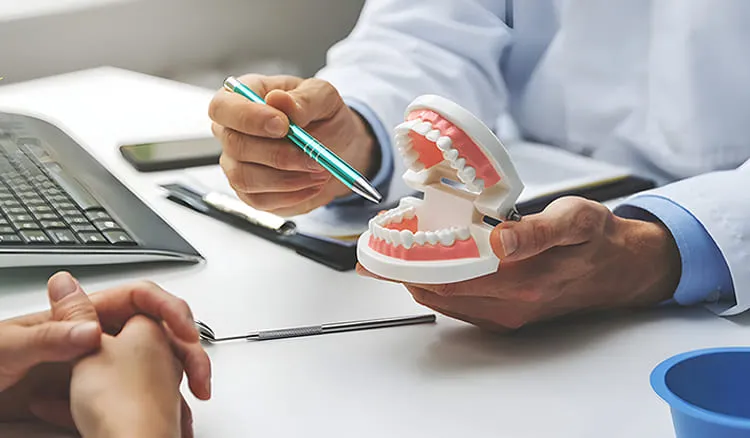
1. The Importance of Oral Health for Seniors
Seniors experience unique oral health challenges due to aging, such as dry mouth, periodontal disease, and tooth loss. Maintaining good oral health is essential for overall well-being and quality of life.
2. Dental Issues Faced by Seniors
a. Dry Mouth: With age, salivary glands produce less saliva, leading to dry mouth. This condition increases the risk of tooth decay and gum disease.
b. Periodontal Disease: Seniors are more prone to gum disease due to weakened immune systems and other health conditions. Untreated periodontal disease can lead to tooth loss and impact general health.
c. Tooth Loss: The rate of tooth loss increases with age. Missing teeth can affect speech, nutrition, and lead to bone loss.
d. Oral Cancer: The risk of developing oral cancer increases with age. Early detection is crucial for successful treatment.
3. Access to Dental Care for Seniors
a. Financial Constraints: Many seniors live on fixed incomes and struggle to afford dental care. They may not have insurance coverage or access to affordable dental clinics.
b. Lack of Transportation: Limited mobility or lack of transportation can make it difficult for seniors to access dental care, especially in rural areas.
c. Fear and Anxiety: Some seniors may have dental phobia or anxiety, making them hesitant to seek dental treatment.
d. Lack of Awareness: Many seniors are uninformed about the importance of dental care for their overall health or the resources available to them.
4. Dentists Catering to Senior Patients
a. Specialized Training: Some dentists receive specialized training in geriatric dentistry to better understand the oral health needs of seniors and provide appropriate care.
b. Geriatric-friendly Facilities: Dental clinics may have facilities designed to cater to the needs of seniors, such as wheelchair accessibility and comfortable waiting areas.
c. Sedation Dentistry: For seniors who experience fear or anxiety, dentists may offer sedation options to help them feel more relaxed during dental procedures.
d. Collaborative Approach: Dentists may work closely with other healthcare professionals to ensure comprehensive care for seniors, considering their overall health and any medical conditions.
5. Benefits of Regular Dental Visits for Seniors
a. Early Detection and Treatment: Regular dental check-ups can help identify oral health issues early on, allowing for prompt treatment and prevention of complications.
b. Improved Quality of Life: By addressing dental issues, seniors can maintain their ability to eat comfortably, communicate effectively, and feel confident in their appearance.
c. Prevention of Systemic Health Issues: Poor oral health has been linked to various systemic conditions like heart disease, diabetes, and respiratory infections. Regular dental care can help reduce the risk of these health issues.
6. Resources for Seniors Seeking Dental Aid
a. Affordable Care Act (ACA): The ACA provides preventive dental services for Medicare beneficiaries and dental coverage options through Medicaid.
b. Local Health Departments: Some local health departments offer dental clinics or can provide information on low-cost dental services for seniors.
c. Nonprofit Organizations: There are nonprofit organizations specifically dedicated to providing dental care to low-income seniors, such as Smile Programs and Dental Lifeline Network.
d. Dental Schools: Dental schools often have clinics where seniors can receive care at reduced prices under the supervision of experienced dental students.
Conclusion
Ensuring access to quality dental care for seniors is essential to improve their overall health and well-being. Dentists play a crucial role in addressing the unique oral health challenges faced by this age group. By raising awareness about the importance of dental care and making resources available, we can support seniors in maintaining good oral health and enjoying a better quality of life.