
Dentist in Spanish for children
Dental Services
Professional Contributor
Why Dental Care is Important for Children
- Dental care plays a crucial role in maintaining the overall health and well-being of children.
- Regular dental check-ups help prevent common oral health problems such as tooth decay, gum disease, and dental infections.
- Early detection and treatment of dental issues in children can prevent more serious problems in the future.
Choosing a Dentist Who Speaks Spanish
- For Spanish-speaking families, finding a dentist who can communicate effectively in Spanish is essential.
- Language barriers can result in misunderstandings, which may compromise the child's dental care.
- Here are some tips to help you choose a dentist who speaks Spanish:
1. Ask for Recommendations
Reach out to your friends, relatives, or coworkers who have Spanish-speaking children and ask them for recommendations for a dentist who speaks Spanish.
2. Look for Bilingual Dental Offices
Search for dental offices in your area that specifically mention that they offer services in Spanish.
3. Check Online Directories
Use online directories that allow you to filter dentists based on their language abilities. Look for dentists who are fluent in Spanish.
4. Call the Dental Office
Call the dental offices on your list and inquire about their language capabilities. Ask if they have Spanish-speaking staff who can assist you and your child during appointments.
5. Schedule a Consultation
If you have found a potential dentist, schedule a consultation to meet them in person. Use this opportunity to evaluate their communication skills and ensure that they can effectively communicate with you and your child in Spanish.
6. Consider the Dental Office's Atmosphere
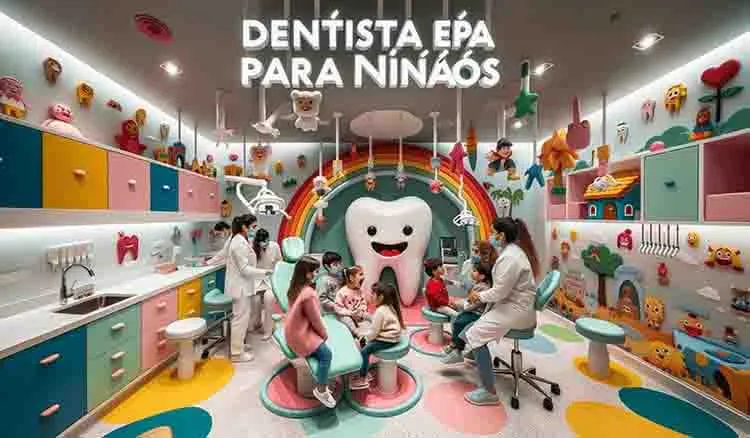
When visiting the dental office, pay attention to the atmosphere and whether it feels child-friendly. The office should have colorful and welcoming decorations that can help ease your child's anxiety.
What to Expect During a Dental Visit
- During a dental visit, your child can expect the following:
1. Oral Examination
The dentist will perform a thorough examination of your child's teeth and gums to check for any potential issues.
2. Cleaning and Fluoride Treatment
The dentist or dental hygienist will clean and polish your child's teeth, removing plaque and tartar buildup. They may also apply a fluoride treatment to strengthen the teeth.
3. X-rays (if necessary)
If necessary, the dentist may take X-rays to evaluate the health of the teeth and detect any hidden problems.
4. Oral Health Education
The dentist will provide oral health education to both you and your child. They will teach you proper brushing and flossing techniques and discuss the importance of a healthy diet.
Ensuring a Positive Dental Experience for Your Child
- Here are a few tips to make your child's dental visits a positive experience:
1. Start Early
Introduce your child to the dentist at an early age. The American Dental Association recommends that children have their first dental visit by their first birthday.
2. Use Positive Language
Avoid using negative words or phrases when discussing dental visits with your child. Instead, use positive language and emphasize the importance of taking care of their teeth.
3. Play Pretend
Role-play dental visits at home by pretending to be the dentist and the patient. This can help familiarize your child with the dental office environment.
4. Offer Rewards
Consider offering small rewards or incentives to your child after each successful dental visit. This can motivate them to maintain good oral hygiene habits.
5. Be a Role Model
Show your child the importance of dental care by practicing good oral hygiene habits yourself. Brush and floss your teeth together, making it a fun and interactive activity.
Finding Affordable Dental Care
- If you are concerned about the cost of dental care, here are some options to consider:
1. Medicaid or Children's Health Insurance Program (CHIP)
Check if your child is eligible for Medicaid or CHIP, which provide free or low-cost health and dental coverage to eligible children.
2. Dental Schools
Dental schools often offer dental services at a reduced cost. Students, under the supervision of experienced professors, provide these services.
3. Nonprofit Organizations
Research nonprofit organizations in your area that provide free or low-cost dental care services to children. These organizations may have specific programs for Spanish-speaking families.
4. Community Health Centers
Community health centers often offer affordable dental care to underserved communities. They may have bilingual staff who can assist Spanish-speaking families.
5. Discount Dental Plans
Consider enrolling in a discount dental plan, which can help reduce the cost of dental care for your child. These plans offer discounts on dental services at participating providers.