
Dental Implant For Seniors
April 12, 2025
Dental Implants for Seniors: Everything You Need to Know
Dental Services
Professional Contributor
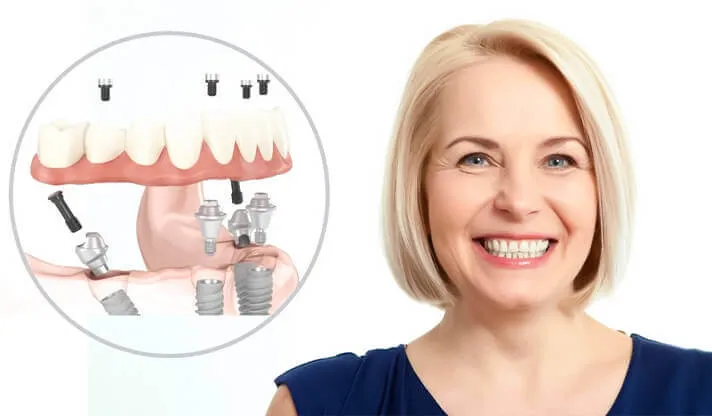
What are dental implants?
- Dental implants are artificial tooth roots made of titanium that are surgically placed into the jawbone.
- They provide a strong foundation for replacement teeth that look, feel, and function like natural teeth.
Why are dental implants important for seniors?
- Seniors may have lost teeth due to aging, gum disease, or dental decay.
- Dental implants offer a long-lasting solution for replacing missing teeth and restoring oral health.
Benefits of dental implants for seniors
- Improved appearance: Dental implants closely resemble natural teeth, enhancing seniors' smiles and boosting their self-confidence.
- Enhanced comfort: Unlike dentures, implants become a permanent part of the mouth, eliminating discomfort associated with removable dentures.
- Better oral health: Dental implants don't require adjacent teeth to be filed down, preserving the natural tooth structure and promoting better oral health.
- Improved speech: Ill-fitting dentures can cause slurred speech, while dental implants provide a stable and secure foundation for clear and confident speech.
- Improved eating ability: Dental implants restore proper biting and chewing functionality, allowing seniors to enjoy their favorite foods without restrictions.
- Durable and long-lasting: With proper care, dental implants can last a lifetime, making them a cost-effective solution for seniors.
Candidates for dental implants
- Good oral health: Candidates should have healthy gums and sufficient bone density to support the implant.
- Non-smokers: Smoking can lead to poor healing and implant failure.
- General health: The candidate should be in good overall health to undergo the surgical procedure.
The dental implant procedure
- Consultation: The dentist will assess the patient's oral health and determine if they are a suitable candidate for dental implants.
- Surgical placement: The implants are placed into the jawbone during a minor surgical procedure.
- Healing process: It takes a few months for the implants to fully integrate with the jawbone, during which temporary replacement teeth may be used.
- Restoration: Once the implants have fused with the jawbone, permanent replacement teeth are attached to the implants.
Dental implant aftercare
- Maintain good oral hygiene: Brushing twice a day, flossing daily, and regular dental check-ups are essential for the success and longevity of dental implants.
- Avoid smoking and excessive alcohol consumption: These habits can compromise healing and increase the risk of complications.
- Regular dental visits: Routine dental visits allow the dentist to monitor the implants and address any issues promptly.
- Wear a nightguard if recommended: Grinding or clenching teeth can exert excessive force on the implants, potentially leading to implant failure.
Potential complications of dental implants
- Infection: Proper oral hygiene and regular dental visits can minimize the risk of infection around the implant site.
- Implant failure: This can occur if the implant doesn't integrate properly with the jawbone or if there is excessive force applied to the implant.
- Nerve damage: In rare cases, dental implant surgery can damage the nerves in the surrounding areas, leading to numbness or tingling.
Cost of dental implants
- The cost of dental implants can vary depending on various factors, including the number of implants needed and any additional procedures required.
- Insurance coverage: Some dental insurance plans may cover a portion of the cost of dental implants, while others may not provide any coverage.
- Financing options: Many dental clinics offer financing options to make dental implants more affordable for seniors.
Conclusion
- Dental implants are an excellent solution for seniors looking to restore their smiles and oral health.
- They offer numerous benefits, including improved appearance, enhanced comfort, and better oral health.
- Seniors who meet the criteria for dental implants can enjoy a permanent and long-lasting solution for replacing missing teeth.