
Dental Implants for Seniors Covered by Medicare
Dental Services
Professional Contributor
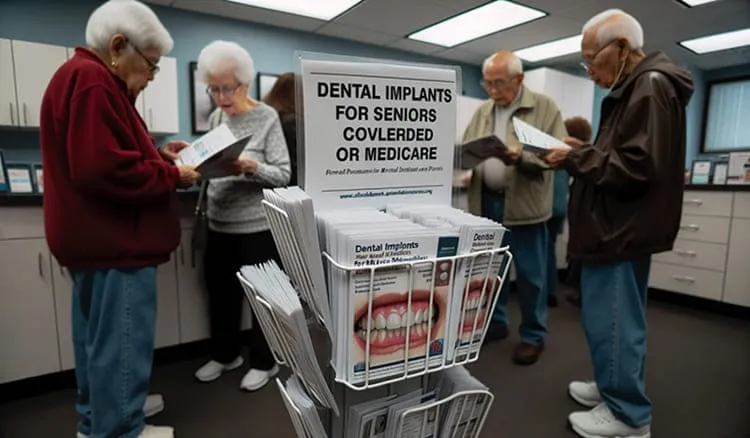
What are Dental Implants?
Dental implants are artificial tooth roots that are surgically placed into the jawbone to support a replacement tooth or bridge. They offer a long-term solution for people who have lost teeth due to decay, gum disease, or injury. Dental implants are considered to be the most natural-looking and functional option for tooth replacement.
Why are Dental Implants Important for Seniors?
As people age, they are more likely to experience tooth loss due to various factors such as decay, gum disease, and wear and tear. Missing teeth can have a significant impact on a person's oral health, appearance, and quality of life. Dental implants can help seniors regain their ability to eat, speak, and smile confidently, improving their overall well-being.
Does Medicare Cover Dental Implants for Seniors?
Medicare, the federal health insurance program for people aged 65 and older, does not generally cover dental care, including dental implants. Medicare primarily covers medical services such as hospital stays, doctor visits, and prescription drugs. Dental care, including dental implants, is considered to be a separate category of healthcare and is typically not covered by Medicare.
Are There Any Exceptions?
While Medicare does not cover dental implants as a routine benefit, there may be exceptions in certain situations. For example, if a senior requires dental implant surgery as part of a medically necessary procedure, such as reconstructive jaw surgery following an accident or cancer treatment, Medicare may provide coverage. However, such cases are evaluated on an individual basis, and it is important to consult with a healthcare professional and Medicare directly to determine coverage eligibility.
What are the Alternative Options for Seniors?
- Partial Dentures: Removable dental appliances that replace multiple missing teeth
- Dental Bridges: Fixed appliances that bridge the gap created by missing teeth, supported by adjacent natural teeth or dental implants
- Denture Implants: Implant-supported dentures that offer a more stable and secure alternative to traditional removable dentures
If dental implants are not covered by Medicare or are not deemed medically necessary, there are alternative options for seniors to consider for tooth replacement:
Other Sources of Financial Assistance
- Medicaid: A joint federal and state program that provides healthcare coverage for low-income individuals and families. Medicaid coverage varies by state, but some states may offer dental coverage, including dental implants.
- Dental Discount Plans: Membership-based programs that offer discounted rates for dental procedures, including dental implants. These plans may be beneficial for seniors who do not qualify for or cannot afford traditional dental insurance.
- Charitable Organizations: Nonprofit organizations may offer free or low-cost dental services to seniors in need. These organizations can be found locally or through online resources.
While Medicare may not cover dental implants, there are other potential sources of financial assistance for seniors in need of dental care:
Maintaining Oral Health as a Senior
- Brush your teeth at least twice a day with a fluoride toothpaste
- Use dental floss or interdental brushes to clean between teeth daily
- Visit a dentist regularly for check-ups and cleanings
- Limit consumption of sugary foods and drinks
- Avoid tobacco use and excessive alcohol consumption, as they can contribute to oral health problems
- Consider using an antimicrobial mouthwash as part of your daily oral hygiene routine
Regardless of whether dental implants are covered by Medicare or other insurance plans, it is essential for seniors to prioritize their oral health. Here are some tips for maintaining good oral health:
In Conclusion
Dental implants can be a life-changing solution for seniors who have lost teeth. While Medicare does not typically cover dental implants, there may be exceptions for medically necessary procedures. Seniors should explore alternative options such as dentures, bridges, or denture implants. Additionally, there are other potential sources of financial assistance, such as Medicaid, dental discount plans, and charitable organizations. Regardless of coverage, maintaining good oral health is crucial for seniors to enjoy a healthy and confident smile.