
Dental care for seniors: Questions to ask your dentist
Dental Services
Professional Contributor
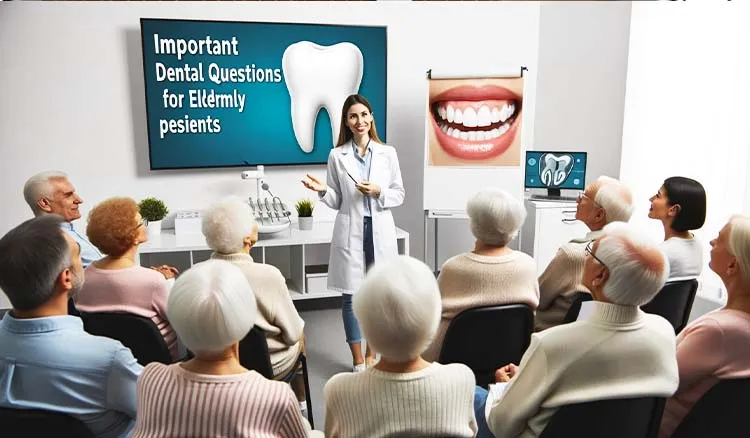
Why is dental care important for seniors?
Regular dental care plays a crucial role in maintaining the overall health and well-being of seniors. Taking care of oral health can prevent various dental issues, such as cavities, gum disease, and tooth loss. It also helps in the early detection of serious health conditions like oral cancer and cardiovascular diseases.
What questions should seniors ask their dentist?
1. Do I need any special dental care as a senior?
2. Are there any specific oral hygiene practices I should follow?
3. How often should I visit the dentist?
4. What can I do to prevent gum disease and cavities?
5. Are my current medications affecting my oral health?
6. Can you recommend any products or treatments to address my dental concerns?
7. What are my options for tooth replacement or dentures?
8. Are there any warning signs of oral cancer that I should be aware of?
What dental treatments are commonly needed by seniors?
1. Regular dental check-ups and cleanings
2. Treatment for gum disease
3. Tooth extraction or root canal therapy
4. Denture fittings and adjustments
5. Dental implants or bridges for missing teeth
6. Treatment for dry mouth
7. Cosmetic dentistry procedures such as teeth whitening, veneers, or bonding
How can seniors afford dental care?
Dental care can be expensive, but there are several options available for seniors to afford dental treatment:
1. Dental insurance: Seniors can explore dental insurance plans specifically designed for older adults. These plans may cover a portion of the cost for preventive care, restorative procedures, and dentures.
2. Dental discount plans: Some organizations offer discount plans that provide reduced rates for dental services at participating dentists.
3. Medicaid: Seniors with limited income and resources may qualify for dental coverage through Medicaid.
4. Dental schools: Dental schools often provide dental care at lower costs, as the treatments are performed by student dentists under the supervision of experienced dentists.
5. Sliding fee clinics: There are clinics that offer dental care on a sliding fee scale based on the patient's income.
What are some tips for maintaining oral health as a senior?
1. Practice good oral hygiene: Brush your teeth at least twice a day with a soft-bristle toothbrush and fluoride toothpaste. Don't forget to floss daily.
2. Use a mouthwash: Rinse your mouth with an antimicrobial mouthwash to kill bacteria and freshen your breath.
3. Stay hydrated: Drinking plenty of water helps in saliva production, which prevents dry mouth and reduces the risk of tooth decay.
4. Avoid tobacco and limit alcohol consumption: Tobacco and excessive alcohol use can increase the risk of oral health problems.
5. Eat a healthy diet: Consume a balanced diet rich in fruits, vegetables, whole grains, and lean proteins. Limit sugary and acidic foods and beverages that can harm your teeth.
6. Wear protective gear during physical activities: If you participate in sports or recreational activities, wear a mouthguard to protect your teeth from injuries.
Conclusion
Dental care is essential for seniors to maintain their oral health and overall well-being. By asking the right questions to their dentist, seniors can ensure that they receive the necessary dental treatments and advice tailored to their individual needs. With proper dental care and regular check-ups, seniors can enjoy healthy smiles for years to come.