
Dental care for seniors: Prevention is key
Dental Services
Professional Contributor
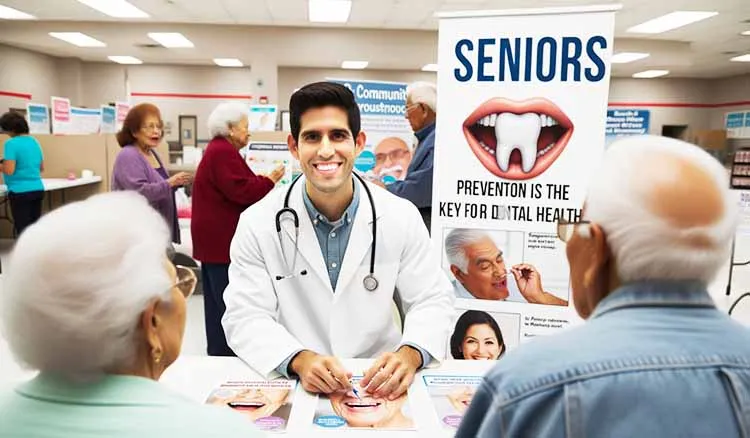
Why dental care is important for seniors
As seniors age, they become more susceptible to dental issues such as tooth decay, gum disease, and tooth loss. Maintaining good oral health is not only essential for their overall well-being but also for their ability to eat, speak, and maintain self-confidence. Dental problems can also lead to other health issues such as cardiovascular disease and respiratory infections.
Preventative measures for oral health
1. Regular dental check-ups: Seniors should visit their dentist at least twice a year for dental check-ups and cleanings. These visits allow dentists to identify and address any potential issues before they escalate.
2. Brushing and flossing: It is crucial for seniors to brush their teeth twice a day using a soft-bristled toothbrush and fluoride toothpaste. Flossing should also be done daily to remove plaque and food particles from between the teeth.
3. Quit smoking: Smoking increases the risk of gum disease and oral cancer. Seniors who smoke should consider quitting to improve their oral health.
4. Limit sugary foods and drinks: Consuming excessive sugar can contribute to tooth decay. Seniors should reduce their intake of sugary snacks, candies, and sugary beverages.
Common dental problems in seniors
1. Tooth decay: Seniors with dry mouth or decreased saliva production are more prone to tooth decay. Regular dental check-ups can help identify and treat tooth decay early.
2. Gum disease: Seniors may be more susceptible to gum disease due to factors such as poor oral hygiene, tobacco use, and certain medications. Proper brushing, flossing, and regular dental cleanings are essential for preventing gum disease.
3. Tooth loss: Seniors may experience tooth loss due to gum disease, tooth decay, or other dental issues. Dental implants, dentures, or bridges are possible solutions for replacing missing teeth.
Financial assistance for dental care
1. Medicaid: Medicaid provides dental coverage for eligible seniors. It is important to check the specific coverage provided by Medicaid in your state.
2. Dental schools and clinics: Dental schools and clinics often provide discounted or low-cost dental services. Seniors can inquire about these options in their area.
3. Non-profit organizations: Some non-profit organizations offer free or reduced-cost dental care for seniors. Research local organizations that may provide financial assistance.
4. Dental discount plans: Seniors can consider dental discount plans, which offer reduced rates for dental services. These plans require a monthly or annual fee but can provide significant savings.
Conclusion
Dental care is crucial for the overall health and well-being of seniors. By taking preventative measures such as regular dental check-ups, proper oral hygiene, and avoiding risk factors like smoking and excessive sugar intake, seniors can maintain good oral health. Financial assistance options such as Medicaid, dental schools, non-profit organizations, and dental discount plans can help make dental care more affordable for seniors.