
Dental Implant For Seniors
July 3, 2025
Are Dental Implants Right for Seniors?
Dental Services
Professional Contributor
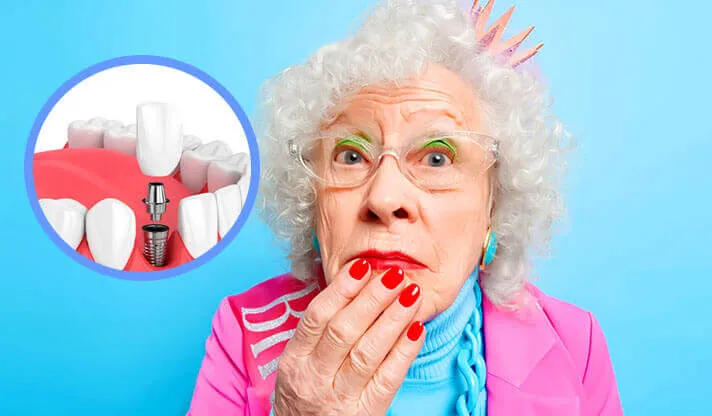
What are Dental Implants?
- Dental implants are replacement tooth roots that provide a strong foundation for fixed or removable replacement teeth.
- They are made of biocompatible materials that fuse with the jawbone and become a permanent part of the mouth.
Benefits of Dental Implants for Seniors
- Improved appearance: Dental implants look and feel like natural teeth, enhancing seniors' smiles and confidence.
- Enhanced oral health: Implants prevent bone loss and maintain the integrity of the jawbone, preserving the overall oral health.
- No dietary restrictions: Unlike dentures, implants allow seniors to enjoy their favorite foods without worrying about them slipping or falling out.
- Long-lasting solution: With proper care, dental implants can last a lifetime, making them a cost-effective choice for seniors.
Factors to Consider for Seniors
- Overall health: Older adults should consult with their healthcare providers to ensure they are healthy enough for dental implant surgery.
- Bone density: Sufficient bone density is necessary to support the implant. In some cases, bone grafting may be required to strengthen the jawbone.
- Oral hygiene: Good oral hygiene practices are crucial for the success of dental implants. Seniors must commit to regular brushing, flossing, and dental check-ups.
- Cost: While dental implants provide long-term benefits, it's essential for seniors to consider the associated costs and whether it aligns with their budget.
The Dental Implant Procedure
- Evaluation: The dentist will assess the senior's oral health and take X-rays to determine if they are a suitable candidate for implants.
- Surgery: The implants are surgically placed into the jawbone. The healing process takes several months as the implants fuse with the bone.
- Abutment placement: Once the implants have integrated, abutments are attached to the implants to connect the artificial teeth.
- Artificial teeth placement: Finally, custom-made artificial teeth (crowns or dentures) are securely attached to the abutments, completing the dental implant process.
Recovery and Aftercare
- Pain management: Seniors may experience some discomfort after the surgery, but over-the-counter pain relievers are usually sufficient. The dentist may prescribe antibiotics to prevent infection.
- Oral hygiene routine: Seniors should follow a strict oral hygiene routine, including gentle brushing, flossing, and using an antimicrobial mouthwash.
- Regular check-ups: Routine dental check-ups are necessary to monitor the implants' stability and overall oral health.
Alternatives to Dental Implants for Seniors
- Dentures: Traditional dentures are removable prosthetic teeth that can be an option for seniors who are not suitable candidates for implants.
- Dental bridges: Bridges are another alternative that involve anchoring artificial teeth to adjacent natural teeth.
- Mini-implants: Mini-implants are smaller dental implants that can be used when there is insufficient bone density for full-sized implants.
Conclusion
- Dental implants can be an excellent solution for seniors with missing teeth, providing numerous benefits for oral health and overall well-being.
- Consulting with a dental professional is crucial to determine if dental implants are the right choice based on individual needs and circumstances.